








Matching a hire car to your passengers and luggage
Tell the team how many people will travel and how many cases, buggies or bulky bags you expect. Seating and boot space are separate questions. Say whether you need an automatic or are happy with a manual, and mention any child seat request early so it can be checked before you are quoted. Include details for every driver who may take the wheel.
Finding a car to suit the trip
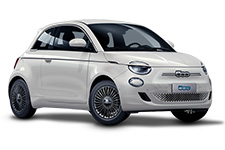
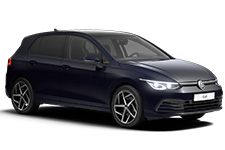
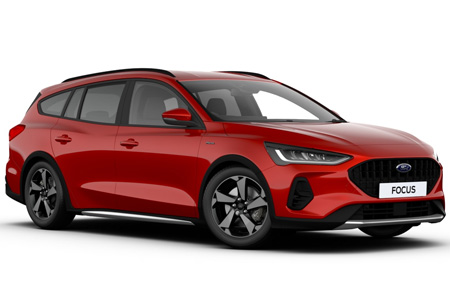
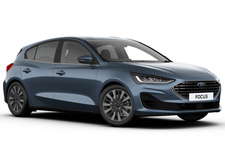
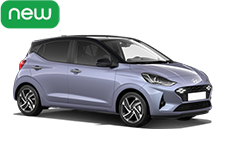
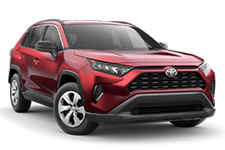
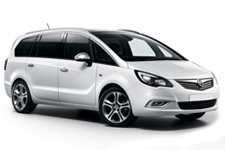
Start with the journey and pick the car to match it. Smaller cars are suited to city driving and short stays, automatics make local driving easier, estates and SUVs give more room for luggage, and people carriers are a better choice for families or small groups. The range available includes the Fiat 500, VW Golf, Ford Focus Estate, Ford Focus Automatic and Hyundai i10 Automatic, subject to dates, driver details and availability. The precise make, model, transmission, seating, payload and licence position are confirmed when you are quoted, so treat the vehicles listed as a guide to the kind of hire on offer rather than a guaranteed reservation of a particular model.
Planning a Return Journey
The first decision for a round trip is usually whether the outbound and return legs happen on the same day or across several, since that determines the dates you give the team. Note both timings clearly, including the hour you plan to set off and the hour you expect to finish, and add any middle day where the car sits unused. Record who will drive on each leg if more than one person is named, along with the collection and return arrangements you prefer. If the destination is a family member's home, a hotel or a workplace, their address and a phone number for someone there can go on the same list. When asking for a quote, the questions still open include which vehicle groups suit your dates and whether the delivery or collection options you have in mind can be arranged for both ends of the trip.
Comparing Everyday Car Sizes
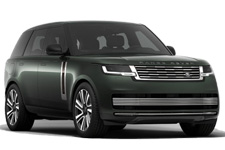
Sitting down with a simple list of what travels with you helps frame the choice between a compact city car, an automatic, an estate, an SUV, an executive saloon or a people carrier. Count the passengers first, then count the bags, noting rough sizes rather than exact weights: a weekend holdall, two medium suitcases, a set of golf clubs or a folded pushchair all speak for themselves in a conversation about vehicle groups. Consider whether anyone in the party prefers an automatic, and whether boot space or rear legroom matters more on this particular run. These are notes for your own enquiry, not a claim that one option beats another. Questions worth raising include which groups are available on your dates and how the delivery or collection arrangements would work around your schedule.
Explore other car hire areas
What to confirm on the phone
Before you confirm the hire, check the key details: vehicle availability, driver requirements, mileage, insurance, delivery or collection arrangements and any extras you have asked for, along with driver age, licence history, the deposit, the insurance excess and any travel abroad. A clear request gives the date, the length of hire, the rough route, the delivery or pickup address, the expected passengers or load, and any particular requirements that might affect which vehicle is suitable.