
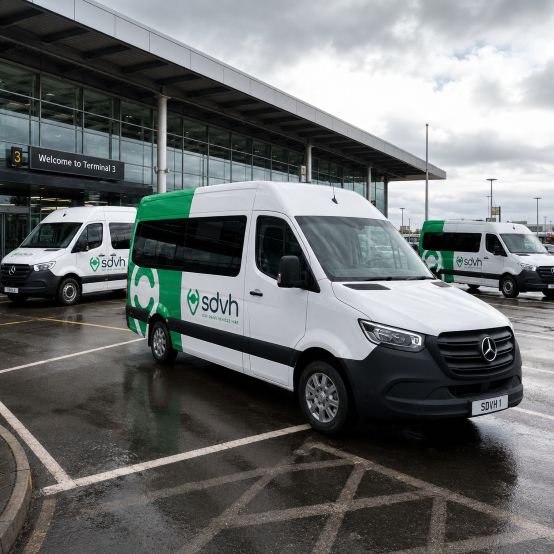









Planning seats, bags and drivers for a group
Give the confirmed passenger number rather than a best guess. List luggage, sports kit or equipment separately, because a full seat count can leave little room for bags. Agree one clear meeting point for the group before travel. Share the intended driver's age and licence details when you enquire, so the team can check eligibility for the size of minibus before quoting.
Picking a suitable minibus
Base your choice on how many passengers are travelling, the luggage and who is eligible to drive. Smaller groups may be well served by a 7 or 9-seater, whereas 12, 15 and 17-seat vehicles call for closer checks on licence, age and luggage space. The range includes the Vauxhall Zafira 5 + 2, Galaxy 7 Seater Manual, Galaxy 7 Seater Automatic, 9 Seater Manual and 9 Seater Automatic, depending on dates, driver details and availability. Make, model, transmission, seating, payload and licence position are all confirmed when you are quoted, so treat the vehicles listed as a guide to the kind of hire on offer, not a guaranteed reservation of a particular model.
Collecting Travel Details From a Group
Suppose you are arranging transport for a party whose plans are still settling. A short list gathered from each passenger can make the booking conversation far more straightforward. Ask everyone for their name, a contact number and whether they are travelling both ways, then count the confirmed total so you can state group size with confidence. Luggage is worth recording too: note how many cases, bags or bulky items such as sports equipment are coming along, and if anyone can measure their largest bag, that detail may prove useful. Questions you could raise when requesting a quote include which seat range suits your numbers and what happens if the group grows after booking. A tidy list of details means fewer follow-up calls.
Keeping a Shared Itinerary
When a group is sharing one vehicle, a single agreed schedule helps avoid confusion. Consider circulating a simple itinerary listing the pickup point, the date, departure time and every stop on the route, then invite corrections before anything is fixed. If passengers hold different tickets or arrival slots, record those times so the running order can be discussed with the hire team. You might also note who should be contacted if someone is delayed, and where the group should gather at each end of the journey. It is worth asking whether the itinerary can be adjusted after confirmation and how far in advance changes should be flagged. Keeping one version of the plan, rather than several messages, gives everyone the same information and makes the arrangement easier to manage.
Explore other minibus hire areas
Last checks before booking
Ahead of confirming the hire, go over the key points: whether the vehicle is available, what the driver needs, mileage, insurance, delivery or collection arrangements and any extras you have asked for. The number of passengers, luggage, driver age, licence entitlement and any D1 requirement should all be checked before the minibus is confirmed. A clear enquiry gives the date, length of hire, rough route, delivery or pickup address, expected passengers or load, and any special requirements that might affect whether a vehicle is suitable.