

Details to confirm before a truck or lorry quote
Describe the load by weight, dimensions and packing, whether palletised, loose or crated. Ask the recipient whether unloading will be by forklift, at a loading dock or by hand, and whether their site has height, length or weight limits for delivery vehicles. Provide driver licence details and say whether the hire is for business use, so the team can confirm driver and operator requirements with you before booking.
How the right vehicle is confirmed
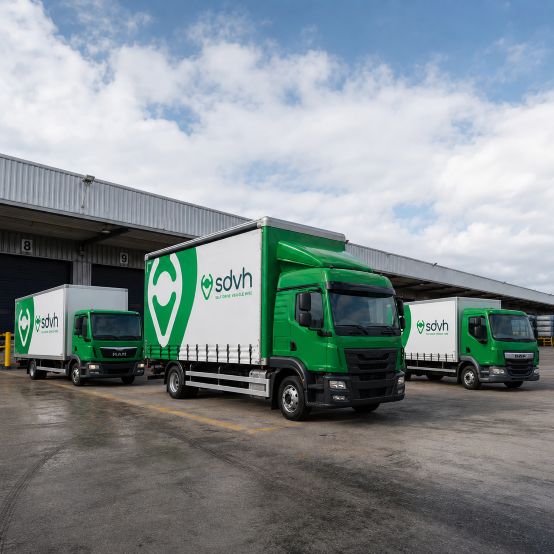
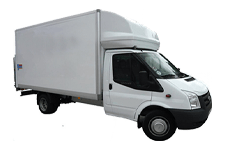
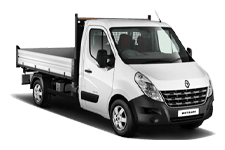
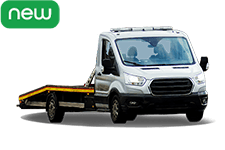
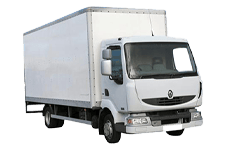
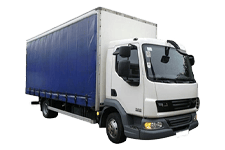
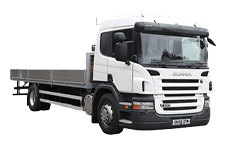
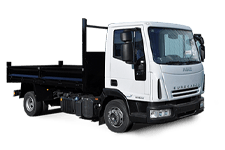
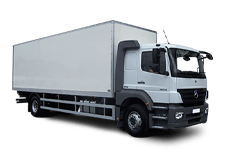
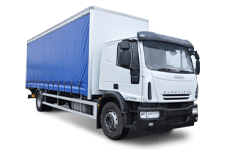
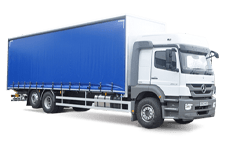
Before picking a truck, look at the payload, the loading height and how the site can be reached. Palletised goods may point towards a curtainsider or a box with a tail lift, whereas building materials and awkward loads may call for a dropside, a tipper or a specialist check. Subject to dates, driver details and availability, the range includes the Ford Luton 3.5 Tonne Box with Tail Lift, 3.5 Tonne Tipper Transit Truck, 3.5 Tonne Recovery Truck, 7.5 Tonne Box Truck With Tail Lift and 7.5 Tonne Curtain Side Truck. The exact make, model, transmission, seats, payload and licence position are all confirmed at quote stage, so treat these vehicles as a guide to the kind of hire on offer rather than a guaranteed reservation of a particular model.
Measure Before You Choose
Your first decision is often which dimensions actually matter for your load. Before requesting a quote, it is worth measuring the longest, widest and tallest items you plan to move and writing each figure down, alongside a note of any awkward shapes such as lengths that cannot be tilted or items with protruding handles. Record the number of pieces as well, since a single large item and a dozen smaller ones present quite different requirements. If some measurements are estimates, say so when you call, because an approximate figure and a firm one may lead to different vehicle suggestions. You might also note whether anything can be dismantled before the journey and, if so, whether you have the tools and time to take it apart. Keeping this list to hand makes the conversation about vehicle options far more specific.
Describing What You Are Moving
When you contact the team, the more precisely you can describe the load, the more useful the initial response is likely to be. Rather than saying a houseful of goods, try grouping items into categories: furniture, boxed household items, appliances, garden equipment or workshop materials. For each category, note roughly how many pieces and any unusual features, such as a wardrobe that arrives flat-packed or machinery bolted to a frame. It also helps to mention anything fragile, dusty or freshly painted, since these details may shape which vehicle arrangements are discussed. If your list changes between the first call and the hire date, let the team know so the original notes can be updated. A written inventory also gives you something to check against on the day, and you can raise any remaining questions, such as whether a particular vehicle suits an unusually long item, before committing.
Explore other truck hire areas
Things to check before booking
Go over the key points before you confirm a hire: vehicle availability, driver requirements, mileage, insurance, delivery or collection arrangements and any extras you have asked for. A commercial truck booking needs more than a date and a postcode, so make sure licence entitlement, the purpose of the hire, the route, loading equipment, access restrictions, mileage and any operator requirements are confirmed before you commit. A useful request gives the date, how long the hire will last, a rough route, the delivery or pickup address, the passengers or load you expect and any special requirements that might affect which vehicle is suitable.