
Details to confirm before a truck or lorry quote
Describe the load by weight, dimensions and packing, whether palletised, loose or crated. Ask the recipient whether unloading will be by forklift, at a loading dock or by hand, and whether their site has height, length or weight limits for delivery vehicles. Provide driver licence details and say whether the hire is for business use, so the team can confirm driver and operator requirements with you before booking.
Fitting the truck to your route
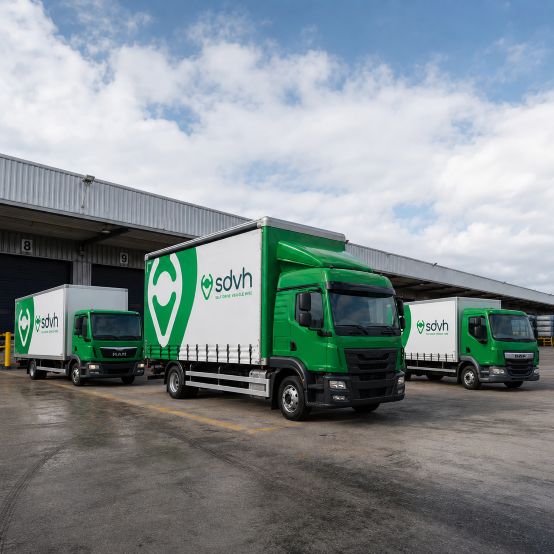
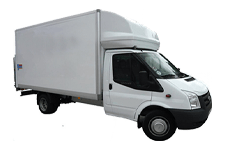
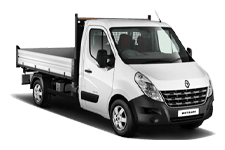
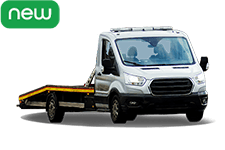
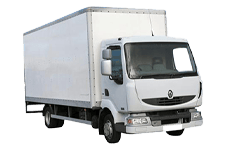
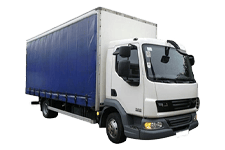
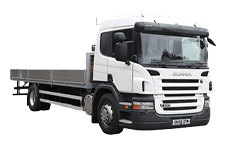
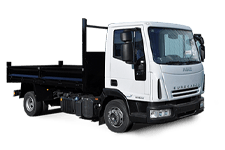
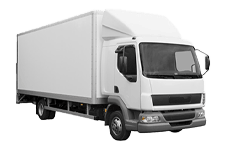
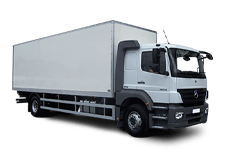
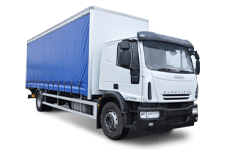
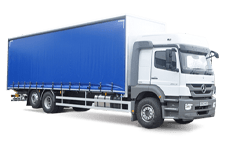
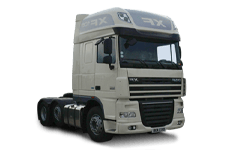
Before picking a truck, look at the payload, the loading height and how the site can be reached. Palletised goods may point towards a curtainsider or a box with a tail lift, whereas building materials and awkward loads may call for a dropside, a tipper or a specialist check. Subject to dates, driver details and availability, the range includes the Ford Luton 3.5 Tonne Box with Tail Lift, 3.5 Tonne Tipper Transit Truck, 3.5 Tonne Recovery Truck, 7.5 Tonne Box Truck With Tail Lift and 7.5 Tonne Curtain Side Truck. The exact make, model, transmission, seats, payload and licence position are all confirmed at quote stage, so treat these vehicles as a guide to the kind of hire on offer rather than a guaranteed reservation of a particular model.
Sharing Site Instructions With Your Driver
Who needs to know what before the vehicle arrives? If someone else will be driving the truck on the day, it is worth preparing a short set of notes for them. Record the site address, the name and number of the contact person there, and any reference numbers the gate or office might ask for. Note down the hours the site accepts vehicles and whether there is a specific entrance to use. If the destination is a depot, yard or business premises, ask your contact there about sign-in procedures and where vehicles should report. Keep these details in one message or document so nothing gets lost between people. Any site instructions you cannot obtain in advance are worth flagging to the team during your phone call before booking.
Separating Volume From Load Weight
How do you describe a load that is bulky but light, or small but heavy? When you enquire, it helps to give two separate figures. First, estimate the total volume: how many pallets, crates, sacks or large items there are, with rough dimensions for the biggest pieces. Second, estimate the total weight, either from delivery paperwork or by listing the heaviest individual items with their approximate masses. Recording these separately lets the team discuss whether 3.5T Luton-style work is appropriate or whether selected heavier trucks would need to be considered, subject to licence and operator checks. If you are unsure about either figure, say so when you call and ask what extra information would help them advise you.
Explore other truck hire areas
What to confirm on the phone
Go over the key points before you confirm a hire: vehicle availability, driver requirements, mileage, insurance, delivery or collection arrangements and any extras you have asked for. A commercial truck booking needs more than a date and a postcode, so make sure licence entitlement, the purpose of the hire, the route, loading equipment, access restrictions, mileage and any operator requirements are confirmed before you commit. A useful request gives the date, how long the hire will last, a rough route, the delivery or pickup address, the passengers or load you expect and any special requirements that might affect which vehicle is suitable.