






Matching a hire car to your passengers and luggage
Tell the team how many people will travel and how many cases, buggies or bulky bags you expect. Seating and boot space are separate questions. Say whether you need an automatic or are happy with a manual, and mention any child seat request early so it can be checked before you are quoted. Include details for every driver who may take the wheel.
Finding a car to suit the trip
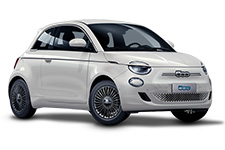
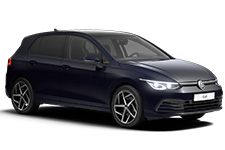
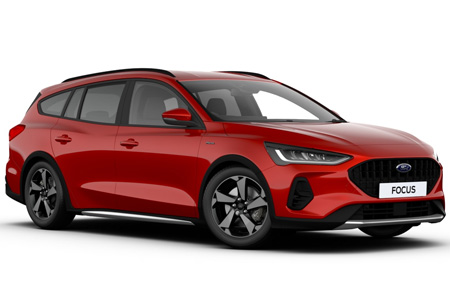
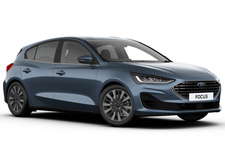
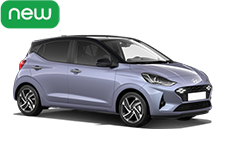
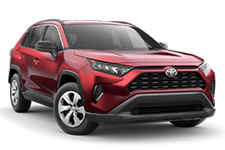
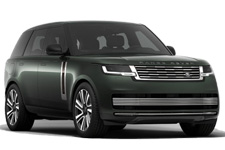
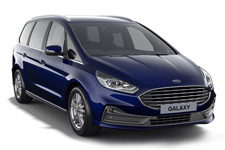
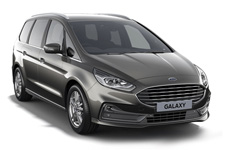
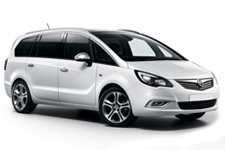
Start with the journey and pick the car to match it. Smaller cars are suited to city driving and short stays, automatics make local driving easier, estates and SUVs give more room for luggage, and people carriers are a better choice for families or small groups. The range available includes the Fiat 500, VW Golf, Ford Focus Estate, Ford Focus Automatic and Hyundai i10 Automatic, subject to dates, driver details and availability. The precise make, model, transmission, seating, payload and licence position are confirmed when you are quoted, so treat the vehicles listed as a guide to the kind of hire on offer rather than a guaranteed reservation of a particular model.
Getting Ready for a Work Trip
Begin by writing down the dates your trip covers, including the day you would collect the car and the day you would return it, since a schedule that runs over a weekend can change what you ask about. Note who will be driving, whether that is one person or a colleague sharing the wheel, and where the car will be based during the trip. Think about the passenger list too: a solo traveller with a briefcase has different needs from a small team attending several meetings. Record what luggage everyone expects to bring, such as overnight bags, sample cases or presentation equipment, along with rough dimensions for anything bulky. If your itinerary is still taking shape, a draft list of appointments and addresses gives the team something concrete to work from when you request a quote.
Weighing Up Everyday Car Sizes
When comparing car groups, it helps to list what you actually carry on a normal week rather than what you might carry once. A compact city car may suit short commutes with a single bag, while an estate could appeal if you regularly transport folders, boxes of stock or a pushchair. An SUV or people carrier might be on your shortlist for family outings with several passengers and their belongings. Write down the number of seats you use most days, the boot space you tend to fill, and any items with awkward shapes, such as golf clubs or gardening equipment. Automatics versus manual is another choice worth noting early. Once you have this written record, ask the team which vehicle group best matches it, and raise any open questions about collection or delivery arrangements before you confirm.
Explore other car hire areas
What to confirm on the phone
Before you confirm the hire, check the key details: vehicle availability, driver requirements, mileage, insurance, delivery or collection arrangements and any extras you have asked for, along with driver age, licence history, the deposit, the insurance excess and any travel abroad. A clear request gives the date, the length of hire, the rough route, the delivery or pickup address, the expected passengers or load, and any particular requirements that might affect which vehicle is suitable.