



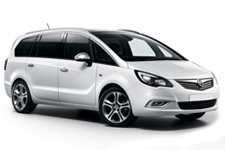
Matching a hire car to your passengers and luggage
Tell the team how many people will travel and how many cases, buggies or bulky bags you expect. Seating and boot space are separate questions. Say whether you need an automatic or are happy with a manual, and mention any child seat request early so it can be checked before you are quoted. Include details for every driver who may take the wheel.
How the right vehicle is confirmed
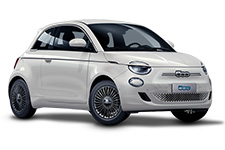
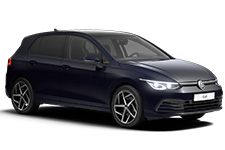
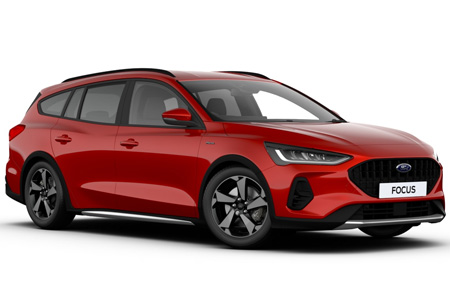
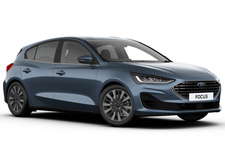
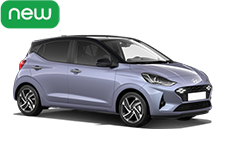
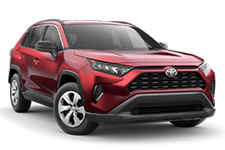
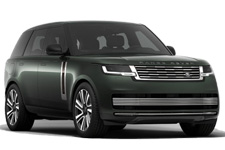
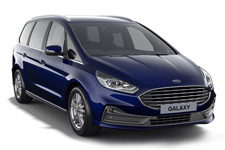
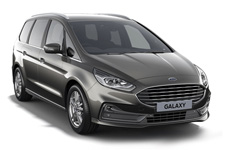
Start with the journey and pick the car to match it. Smaller cars are suited to city driving and short stays, automatics make local driving easier, estates and SUVs give more room for luggage, and people carriers are a better choice for families or small groups. The range available includes the Fiat 500, VW Golf, Ford Focus Estate, Ford Focus Automatic and Hyundai i10 Automatic, subject to dates, driver details and availability. The precise make, model, transmission, seating, payload and licence position are confirmed when you are quoted, so treat the vehicles listed as a guide to the kind of hire on offer rather than a guaranteed reservation of a particular model.
Weighing Up Everyday Car Sizes
If you are torn between two body styles, start by listing what the car will actually carry. A compact city car or automatic might suit a solo commuter with a briefcase, while an estate could make sense if you regularly move pushchairs, garden waste or boxes from a weekly shop. Note the number of passengers on a typical trip, the longest items you expect to fit in the boot, and whether anyone travels with bulky equipment such as a folding bike or a large suitcase. Write down rough dimensions for the awkward pieces rather than guessing, since this gives the team something concrete to work from. When you enquire, ask which vehicle groups match your list and whether a particular style is worth considering. Keeping this note short and factual usually produces a more useful reply than a long description.
Choosing Around Driver Preferences
Some drivers know exactly what they want, perhaps an automatic after years of manuals or a higher seating position in an SUV. Others are flexible and simply need something that handles the dates and distances involved. Before asking for a quote, note who will drive, whether they have a preference for gearbox type, and any features they consider essential rather than nice to have. If two named drivers will share the car, record both sets of details and any differing preferences so nothing is missed. Decide where you would like the car delivered or collected from and note the times that suit. Questions for the team might include which groups are available for your dates and how preferences affect the options quoted. A short preference list keeps the conversation focused.
Explore other car hire areas
Things to check before booking
Before you confirm the hire, check the key details: vehicle availability, driver requirements, mileage, insurance, delivery or collection arrangements and any extras you have asked for, along with driver age, licence history, the deposit, the insurance excess and any travel abroad. A clear request gives the date, the length of hire, the rough route, the delivery or pickup address, the expected passengers or load, and any particular requirements that might affect which vehicle is suitable.